

Baby Bath Guide: How to Bathe a Newborn
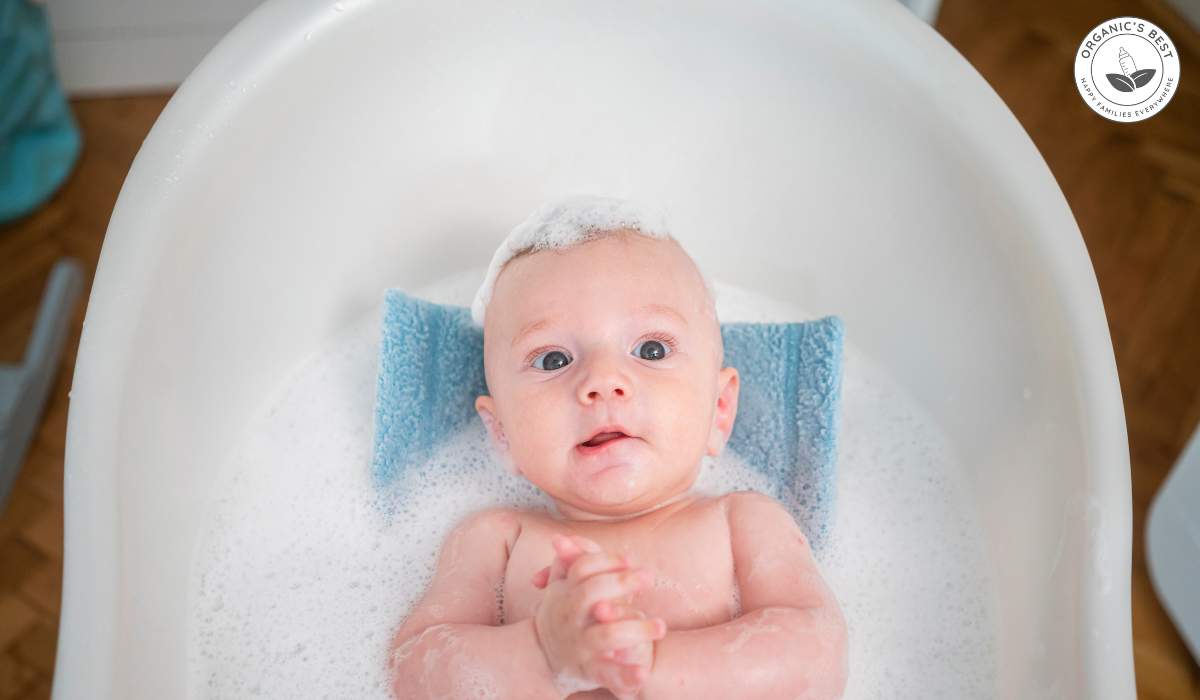

Giving your baby their first bath is one of those sweet early milestones many parents look forward to. Over time, baby bath time naturally grows into a calming, connection-filled routine for both you and your little one. Warm water gently cleanses their delicate skin, helps signal that it’s time to relax, and, as your baby gets older, becomes a simple way to support sensory development through splashing, touching, and play.
In those very early newborn days, following gentle, age-appropriate newborn bathing guidelines can help protect your baby’s skin and keep every bath time experience safe, comfortable, and stress-free for both of you.
In this article, we discuss the ins and outs of newborn bathing, like general tips for bathing a newborn, how to give a baby a bath, and what it's like bathing a newborn for the first time!
Table of Contents
- Baby’s First Bath: Preparing for a Newborn Bath
- What You Need for a Newborn's First Bath
- When to Bathe a Newborn?
- How to Give a Newborn a Bath Safely: Step-by-Step
- How Often to Bathe Newborn?
- Tips for Making Infant Bath Time Calm and Comfortable
- Common Mistakes to Avoid When Bathing a Newborn
- FAQs on Baby Bathing
Baby’s First Bath: Preparing for a Newborn Bath
For many parents, that first bath can feel surprisingly emotional. It’s one of the first hands-on care moments where you really start to learn your baby's cues, their sensitivity, and just how tiny and delicate they are.
Before anything else, it helps to know that most babies do not need a full bath right away. In the days after birth, many hospitals now encourage delaying the first bath. That's because the white, creamy coating on your baby’s skin, called vernix caseosa, acts as a natural moisturizer and barrier for newborn skin, helping reduce water loss and supporting the skin’s early microbiome. Giving it time to absorb can actually benefit your baby’s still-developing skin barrier.
Once it is time for bathing a newborn after birth, here's how you can prepare.
Learn How to Hold and Support Your Newborn Safely
One of the biggest sources of anxiety during a first bath is handling a slippery, wiggly newborn. Your baby’s neck muscles are still developing, so head and neck support is important at all times.
During a sponge bath, place your baby on a flat, padded surface, such as the floor, a changing table, or bed with a waterproof mat underneath. Keep one hand under their shoulders and head whenever you reposition them.
Once the umbilical cord stump has fallen off and the area is fully healed, you can use a small infant tub with a non-slip surface. Always support the back of your baby’s head with your forearm or hand while the rest of their body is gently cradled.
Choose the Right Type of Bath
Until your baby’s umbilical cord stump falls off and the area is fully healed, most healthcare providers recommend sponge bathing newborns only. This means gently cleaning your baby with a soft washcloth rather than placing them into a tub of water. Submerging a newborn before the stump has healed can increase the risk of irritation and infection.
Plan the Timing Around Your Baby’s Cues
There is no universal time of day for a newborn bath. What matters more is your baby’s state. Aim for a moment when your baby is awake but calm, not overly hungry, and not already overtired.
Find the Right Water Temperature
Newborn skin is extremely thin and far more sensitive to temperature than adult skin, so it is important to find the right bath temp for newborns. Water should feel comfortably warm, not hot, similar to what you would use for your own face.
If you want to be more precise, many pediatric guidelines suggest bath water around 37°C (98–99°F), which closely matches body temperature. You don’t need a special thermometer if you don’t have one, but it’s important to always test the water with your wrist or elbow before touching your baby’s skin.
What You Need for a Newborn's First Bath
You don’t need a long list of products for your baby’s first bath, because keeping the routine and your products simple is usually best for newborn skin. Here’s what’s actually helpful to have ready.
First, choose a safe, stable surface. For the early weeks and sponge baths, a changing table or bed with a waterproof pad and towel works perfectly. If you’re using a newborn bath, make sure it offers good head and back support and has a non-slip base.
You’ll also want two soft washcloths, one for your baby’s face and upper body, and one for the diaper area. Soft cotton is a great choice for newborn skin.
For sponge baths, prepare a small bowl of warm water, as this lets you gently clean your baby without exposing their whole body to water.
A gentle, fragrance-free newborn cleanser is optional, but plain water is usually enough in the first weeks. If you do use a cleanser, choose one that’s designed for newborn skin, and use it only where it’s really needed, such as the diaper area and skin folds.
Have a soft towel ready, because newborns lose heat quickly, so being able to wrap your baby up right away makes a big difference in keeping them comfortable.
Finally, set out a clean diaper and cozy clothes for after the bath, so you don’t need to step away once your baby is undressed.
When to Bathe a Newborn?

When it comes to timing that very first bath after birth, waiting is actually beneficial. The World Health Organization (WHO) recommends delaying a newborn’s first bath until at least 24 hours after birth. If a full day isn’t possible for cultural or practical reasons, the WHO advises waiting at least 6 hours.
Bathing a newborn doesn’t need to be long to be effective, with about 5–10 minutes being plenty for a newborn. Short, gentle baths help protect your baby’s delicate skin barrier and reduce the chance of them getting cold during or after bathing.
How to Give a Newborn a Bath Safely: Step-by-Step

What matters most is keeping your baby warm, well supported, and gently cleaned. Here are simple, safe steps for bathing a newborn.
-
Get everything ready before you start: Set out your towel, clean diaper, clothes, washcloths, and a small bowl of warm water. If you’re using a cleanser, have it open and ready. Once your baby is undressed, you should never need to step away.
-
Place your baby on a safe, warm surface: Lay your baby on a padded, flat surface with a towel or waterproof mat underneath. If the surface is raised, keep one hand on your baby at all times. Make sure the room is comfortably warm. Keep your baby loosely wrapped in a towel and only uncover the area you’re washing. This helps prevent heat loss and keeps your baby calmer.
-
Start with the face: Dip a clean washcloth in warm water and gently wipe your baby’s eyes, cheeks, and mouth. Use a fresh corner of the cloth for each eye and avoid using cleanser on the face at this stage.
-
Wash the rest of the body slowly, one area at a time: Using your second washcloth, gently clean your baby’s neck, arms, chest, and legs. Pay special attention to skin folds, where milk and sweat can collect. If you choose to use a small amount of cleanser, limit it to areas that really need it, such as the diaper area and deep creases.
-
Clean the diaper area last: This helps reduce the spread of bacteria to other parts of your baby’s body. Always wipe from front to back, and be especially gentle around healing skin.
-
Keep your baby supported at all times: Always support your baby’s head and neck when repositioning them.
-
Pat dry and wrap your baby right away: As soon as you finish, wrap your baby in a warm towel and gently pat their skin dry. Avoid rubbing, which can irritate newborn skin.
-
Get dressed and settled while your baby is still warm: Put on a fresh diaper and comfortable clothing right after drying. This helps your baby stay cozy and makes the transition from bath time to cuddles or feeding much smoother.
How Often to Bathe Newborn?
When it comes to the question of how often should you bathe a newborn, it is important to know that young babies don’t need daily baths. Bathing two to three times per week is usually more than enough in the early weeks.
From a skin health perspective, frequent bathing can strip away the natural oils that help protect your baby’s still-developing skin barrier. This can increase dryness and irritation, especially for babies who are already prone to sensitive skin or eczema.
What does matter more than full baths is gentle daily hygiene in the areas that get dirtiest fastest, such as the diaper area, neck and skin folds, hands, and around the mouth. These spots can be easily cleaned with a soft cloth and warm water between baths.
Once your baby gets older and more active, and especially once solid foods and messy hands come into the picture, bath frequency often increases naturally. But in the newborn stage, less really is more.
Tips for Making Infant Bath Time Calm and Comfortable
A few small adjustments can make a big difference in how calm and comfortable bath time feels for both of you.
Here are some helpful tips:
-
Keep the room warm before you start.
-
Move slowly and keep your touch gentle and predictable.
-
Bathe in sections instead of uncovering your whole baby at once.
-
Keep baths short and unhurried.
-
Be mindful of products.
-
Wrap your baby right away after the bath.
-
Plan baths around times that your baby isn't too tired or hungry.
Common Mistakes to Avoid When Bathing a Newborn
While most parents are very well intentioned, there are some bathing habits that simply aren’t ideal for a baby’s delicate skin and developing nervous system.

-
Bathing too often.
-
Using water that’s too hot.
-
Using scented or adult bath products.
-
Uncovering your baby for the entire bath.
-
Forgetting head and neck support.
-
Bathing before the umbilical cord stump has healed.
-
Rushing through the bath.
FAQs on Baby Bathing
Even after reading all the tips and steps, it’s normal to have questions about newborn baths. Here are some of the most common questions to help you feel confident during bath time.
What Should a Newborn Bath Temperature Be?
Newborn skin is extremely sensitive, so the water temp for baby baths should be warm, not hot, ideally around 37°C (98–99°F), which is close to body temperature. Test the water with your wrist or elbow before placing your baby in it. If it feels even slightly hot to you, it’s too hot for your little one.
When to Start Bathing Baby Daily?
Daily baths aren’t necessary for newborns. Two to three baths per week are usually enough for the first few weeks. Between baths, you can gently clean the face, hands, neck folds, and diaper area with a soft, damp cloth.
How to Clean Newborn Belly Button After it Falls Off
Once the umbilical cord stump has dried and fallen off, the belly button can be gently cleaned with a soft, damp cloth during baths. Avoid submerging the belly button area in water until it’s fully healed. Pat dry carefully afterward to prevent irritation or infection, and contact your pediatrician if you notice redness, swelling, discharge, fever, or bleeding.
More Helpful Newborn Care Guides!
How to Get Rid of Newborn Hiccups
Is Your Newborn Not Pooping but Passing Gas?
How Much Formula for a Newborn?
|
Disclaimer: Please be aware that this information is based on general trends in babies, and it is not medical advice. Your doctor should be your first source of information and advice when considering any changes to your child’s formula and when choosing your child’s formula. Always consult your pediatrician before making any decisions about your child’s diet or if you notice any changes in your child. Breastfeeding is the best nutrition for your baby because breast milk provides your child with all the essential nutrients they need for growth and development. Please consult your pediatrician if your child requires supplemental feeding. |

Leave a comment
Comments will be approved before showing up.
Also in Organic Infant Nutrition and Health Blog






Reviewed by Dr. Jonathan Edwards, MD
-

Dr. Jonathan Edwards: Medical Reviewer of Organic's Best Blog
Dr. Jonathan Edwards received his medical degree from the University of the West Indies and holds an MPhil in Population Health Sciences from the University of Cambridge.
