Spring Activities for Kids and Toddlers

Spring has a way of waking the world back up. After months of cold weather, shorter days, and lots of indoor play, the longer days and warmer air start calling families outside again. For parents, it often feels like a bit of a reset after being cooped up all winter. Suddenly, there’s more space to play, explore, and burn off some of that kid energy.
Spring for kids is an especially exciting time of year. New flowers start blooming, birds return, puddles appear after rainstorms, and parks slowly come back to life. Everything feels new again, which naturally sparks curiosity. For parents, it’s also a great opportunity to encourage learning and exploration through simple activities, both indoors and outdoors.
That matters more than it might seem. Research in child development consistently shows that hands-on play, time outside, and sensory exploration all support early brain development. Activities that involve movement, creativity, and observation help strengthen neural connections while building foundational skills in attention, language, and problem-solving.
In this article, we’ll share simple, easy-to-follow activities you can keep in your parenting toolbox for both sunny spring days and rainy afternoons, including outdoor activities, educational experiences, and spring art projects for kids.
Table of Contents
- Outdoor Spring Activities for Kids
- Easy Spring Arts and Crafts for Kids and Toddlers
- Spring Break Ideas with Kids
- Spring Sensory Activities for Toddlers
- Educational Spring Activities for Preschoolers
- Easy Indoor Spring Activities for Toddlers on Rainy Days
- Final Takeaways: Make the Most of Spring Break with Kids
Outdoor Spring Activities for Kids

Let’s start with outdoor activities, because after a long winter of being bundled up and spending more time indoors, there’s nothing quite like finally getting outside again.
Go on a Nature Walk and Spot Spring Flowers
One of the best ways to get outside is with a simple walk in nature. As winter fades, the landscape begins to change. You can spot trees growing new leaves, flowers blooming, and insects returning.
So, why not take a slow walk through a park, trail, or even your neighbourhood and look for signs of spring? Ask your child to point out different colours, shapes, and smells that they notice.
You can even turn the stroll into a mini scavenger hunt by asking your little one to spot specific flowers, trees, bees, butterflies, and birds that are local to your area.
For toddlers, it is best to keep the walk short and interactive, as boredom can strike quickly. Let them pick up leaves, touch tree bark, or smell flowers for a fun sensory experience. They may get a little messy, but that is part of the fun.
Plant Flowers or Herbs Together
Gardening is one of the most rewarding spring activities you can share with your child. Planting seeds or small starter plants teaches patience, responsibility, and an understanding of how living things grow.
Even very young toddlers can participate by helping scoop soil, water the plants, or place seeds into the ground. Over time, they can watch the tiny sprouts grow into beautiful flowers and edible herbs.
Try planting easy beginner options like sunflowers, basil, mint, or cherry tomatoes.
You can use this as an opportunity for learning by explaining the basic process of plant growth in simple terms, like the fact that seeds need sunlight, water, and soil to grow. This introduces early science concepts in a way that children can actually see unfold day by day.
Gardening also has surprising developmental benefits. Research suggests that interacting with soil exposes children to beneficial microbes that can help support immune system development. In particular, this study found that children who played in outdoor areas that were changed from gravel playgrounds to small forest-like environments showed signs of improved immune function within just one month.
These findings are important because throughout much of the Western world, autoimmune conditions like asthma, eczema, and type 1 diabetes have been increasing. One commonly discussed explanation for this rise is called the hygiene hypothesis, which proposes that modern children encounter far fewer microbes than earlier generations did. With less microbial exposure, the immune system may not develop the same level of tolerance, making it more likely to respond inappropriately.
Getting your child involved in gardening can help expose them to some of those microbes. You can make it even more fun by decorating small plant pots together before planting.
Visit the Park and Blow Bubbles
A trip to the park with a bottle of bubble solution can easily fill an afternoon with laughter. You can turn bubble blowing into interactive play by seeing who can blow the biggest bubble, trying to catch bubbles before they pop, stomping bubbles on the ground, and blowing bubbles in the wind and watching their path.
The unpredictability of bubbles can keep children engaged and encourage them to experiment with breathing and movement.
Watch Butterflies, Bees, and Ladybugs
Spring brings insects back into gardens and parks. So, take time to look closely at butterflies landing on flowers, bees collecting pollen, or ladybugs crawling on leaves. These small moments can spark curiosity about nature and ecosystems in little ones.
You can use this activity to explain simple ideas like how bees help flowers grow by spreading pollen, how butterflies start life as caterpillars, and how ladybugs help protect plants by eating pests.
Observational learning like this strengthens scientific thinking. Children begin to ask questions and form connections about how nature works. Just remind kids to watch gently and avoid touching insects that may sting!
Spring Sports for Kids: Balance Bike Riding, Kite Flying, Mini Soccer Games
Spring is also a great time to introduce light sports that build motor skills while keeping kids active.
Some simple spring sports include:
-
Bike riding
-
Kite flying
-
Mini soccer games
-
Playing catch
-
Hopscotch
-
Frisbee tossing
-
Skipping or jumping rope
-
Scooter riding
Easy Spring Arts and Crafts for Kids and Toddlers

The scenery of spring can do wonders to spark creativity. Channeling that creativity into creating art is a wonderful way to entertain little ones.
Whether at home, at the park, on vacation, or at daycare, spring art for toddlers and children often requires few supplies, but allows plenty of room for creativity and self-expression.
Make Colourful Paper Flowers
There are plenty of different types of spring art for kids. Paper flowers are a simple craft that toddlers and preschoolers can easily participate in.
You only need coloured paper, child-safe scissors, glue, and popsicle sticks or straws.
Once finished, kids can place their paper flowers in a jar or vase for a homemade spring decoration!
Create Butterfly and Ladybug Crafts
Butterflies and ladybugs are classic symbols of spring and make fun spring crafts for toddlers. You can make simple versions using everyday supplies like paper plates, construction paper, paint or markers, and pipe cleaners.
Kids can decorate butterfly wings with bright colours or paint ladybugs with their signature red-and-black spots.
While crafting, you can talk about insect patterns and symmetry. Butterfly wings, for example, often have mirrored patterns on both sides, which introduce early math concepts in a fun way.
Decorate Easter Eggs Together
Egg decorating is a spring tradition that kids love as a part of Easter celebrations, but it's also great even if you’re not celebrating a specific holiday.
There are many creative ways to decorate eggs. You can dye eggs with food colouring, paint them with brushes, or decorate them with stickers and other materials
For toddlers, plastic eggs may be easier to handle than real ones. Using real eggs can also be messy and require longer prep time.
Handprint and Finger Painting Art
Finger painting and handprint art are super easy spring crafts for kids, allowing them to explore colour and texture in a fun sensory way. You can try creating handprint flowers, finger-painted rainbows, or butterfly wings made from handprints.
Messy play is actually beneficial for brain development. Sensory art stimulates multiple areas of the brain and encourages creativity, emotional expression, and experimentation! Just be sure to protect surfaces and use washable paints.
Spring Colouring Pages for Kids: Paint Spring Landscapes and Rainbows
Colouring is a relaxing activity that supports focus and fine motor development.
During this time of year, you can provide colouring pages with spring themes like:
-
Rainbows
-
Flowers
-
Gardens
-
Butterflies
-
Landscapes
Spring Break Ideas with Kids
Spring break is the perfect chance for families to slow down, relax, and spend quality time together. While many families plan exciting trips, you don’t need to go far or plan anything elaborate to make it special, because sometimes the most memorable moments come from simple adventures close to home.
Ideas for spring break activities for kids include:
-
Visit a local zoo or aquarium
-
Plan a picnic in the park
-
Explore a nature trail
-
Take a day trip to a nearby town
-
Host a backyard camping night
-
Visit a local botanical garden
-
Take a trip to a local farm
-
Attend a family-friendly workshop or class
-
Explore local museums
Best Spring Break Destinations with Kids
If you are planning a family trip, spring break is a perfect time to explore destinations that offer a mix of outdoor adventure, relaxation, and kid-friendly activities.
Here are some of the best places to go for spring break with kids:
-
National parks with easy hiking trails
-
Beach destinations
-
All-inclusive resorts
-
Cruises designed for families
-
Theme parks and amusement parks
-
City cultural trips
-
Mountain cabins or lake houses
-
Eco-lodges or nature retreats
Travel experiences are especially enriching for children. Exposure to new environments encourages curiosity and cultural awareness. Even a short weekend getaway can feel like a big adventure to a child, giving your family memories that last long after spring break ends.
Spring Sensory Activities for Toddlers
Toddlers experience the world primarily through their senses, and spring is the perfect season to engage them in hands-on exploration.
Make a Spring Sensory Bin with Flowers and Grass
Sensory bins are super easy to create and can keep toddlers engaged for long periods of time.
To make a spring sensory bin, fill a large container with artificial grass or shredded green paper, plastic flowers, toy insects, and offer them small cups or scoops. Toddlers can then dig, sort, and explore the materials.
Play with Water and Splash in Puddles
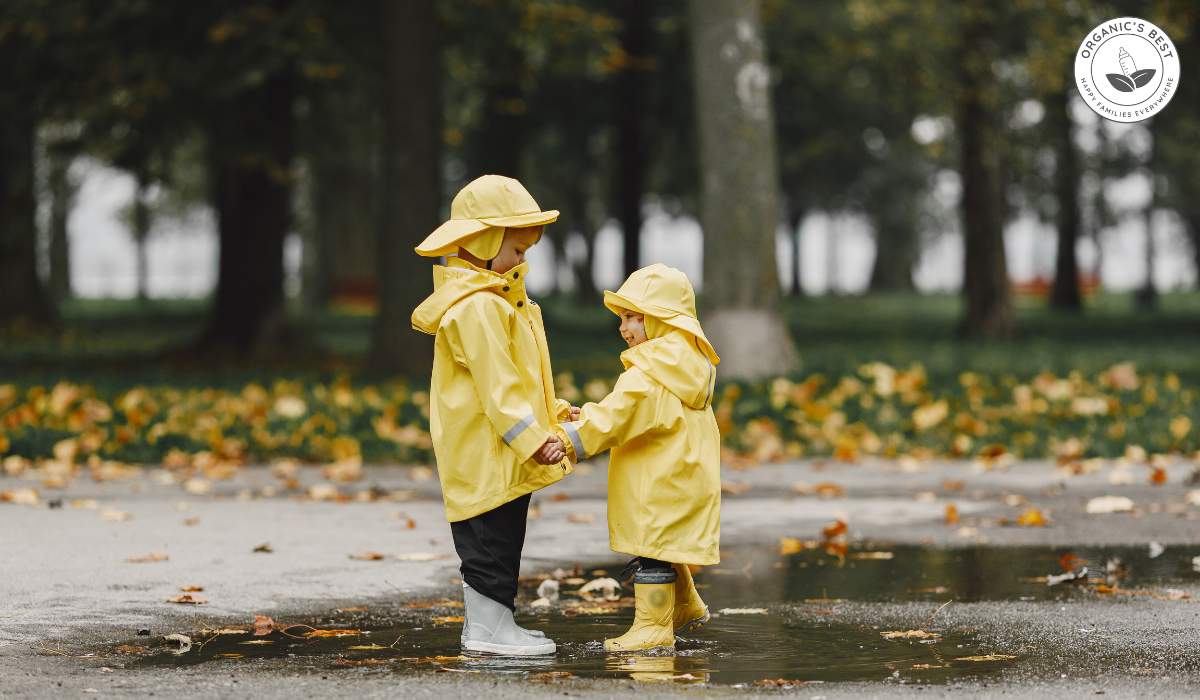
Rainy spring days often leave behind puddles, and for kids, there’s almost nothing more exciting than jumping right in! Puddle play may seem simple, but it’s packed with opportunities for learning and sensory exploration.
Even small puddles allow kids to notice ripples forming when they stomp, see how objects float or sink, and explore how water moves and spreads.
Make sure your child is dressed for the occasion, with rubber boots, waterproof pants, and a jacket. For those days when outdoor puddles aren’t available, you can easily recreate water play at home. Fill shallow containers, tubs, or bowls with water, and provide cups, spoons, funnels, and small toys for scooping, pouring, and experimenting.
Educational Spring Activities for Preschoolers
With nature coming back to life, children are naturally curious about the world around them. Spring is a great time to introduce simple learning activities that build curiosity about science and nature.
Read Spring-Themed Storybooks
Reading together supports language development and imagination. Spring-themed books often introduce children to concepts like seasons, animals, and plant growth. Create a cozy reading routine where you explore stories about gardens and flowers, baby animals, or butterflies and insects.
Learn About Plants and How They Grow
Young children are naturally curious about how plants grow. Use spring as an opportunity to explain the basics of plant life. Hands-on examples, like watering a plant daily, make these lessons easier to understand.
Start a Small Seed-Growing Project
Growing seeds indoors is one of the best ways to learn about plants. It is often more exciting for kids to experience when you choose faster-growing seeds such as beans, sunflowers, or peas.

All you have to do is:
-
Place soil in a small pot, cup, or recycled baby food pouch.
-
Plant the seed about one inch deep.
-
Water lightly.
-
Place the container near a sunny window.
-
Observe changes each day.
Easy Indoor Spring Activities for Toddlers on Rainy Days
Spring weather can be unpredictable, so having a few indoor activities ready can help keep toddlers entertained when rain keeps everyone inside.
Have a Cozy Spring Story Time
Create a cozy reading corner with pillows and blankets, and choose a few spring-themed books.
To make it especially welcoming and comfortable, you can include soft lighting, stuffed animals, and gentle background music.
Sing Spring Songs Together
Music is a powerful tool for early childhood development. Singing songs helps build rhythm and language skills. Encourage kids to clap, dance, or act out the lyrics as they sing!
Spring Games for Kids: Bunny Hop Race, Spring Scavenger Hunt, Egg Hunt
Group games are perfect for playdates or family gatherings.
Try simple spring-themed games like:
-
Bunny Hop Race: Kids hop like bunnies from one line to another. This builds leg strength and balance.
-
Spring Scavenger Hunt: Create a list of items for kids to find outdoors, like a yellow flower, a butterfly, a smooth rock, or a green leaf.
-
Egg Hunt: Hide colourful eggs around the yard or home and let kids search for them.
Spring Movies for Kids: Bambi, Peter Rabbit, The Secret Garden
After a long day of outdoor play, a family movie night can be the perfect way to wind down.
Classic spring-themed movies include:
-
Bambi
-
Peter Rabbit
-
The Secret Garden
These films capture the beauty of nature and often include gentle lessons about friendship, growth, and adventure. Watching movies together can also create meaningful family traditions.
Final Takeaways: Make the Most of Spring Break with Kids
Spring offers a unique opportunity for children to explore and engage with the world around them. As flowers bloom, insects reappear, and the weather warms, the outdoors becomes a rich environment for both play and learning. And when it starts raining, you can head indoors, enjoy some arts and crafts, read, sing, and learn!
All in all, by mixing outdoor exploration with indoor creative play, parents can support their children’s development while creating lasting family memories during spring break and beyond. We hope that you enjoy this season with your family to the fullest!
More Helpful Formula Guides!
Best Summer Activities for Kids and Parents
10 Fun Fall Activities for Kids and Toddlers
10 Winter Activities for Kids and Toddlers
|
Disclaimer: Please be aware that this information is based on general trends in babies, and it is not medical advice. Your doctor should be your first source of information and advice when considering any changes to your child’s formula and when choosing your child’s formula. Always consult your pediatrician before making any decisions about your child’s diet or if you notice any changes in your child. Breastfeeding is the best nutrition for your baby because breast milk provides your child with all the essential nutrients they need for growth and development. Please consult your pediatrician if your child requires supplemental feeding. |

Leave a comment
Comments will be approved before showing up.
Also in Organic Infant Nutrition and Health Blog