Formula Feeding Tips for Hot Weather
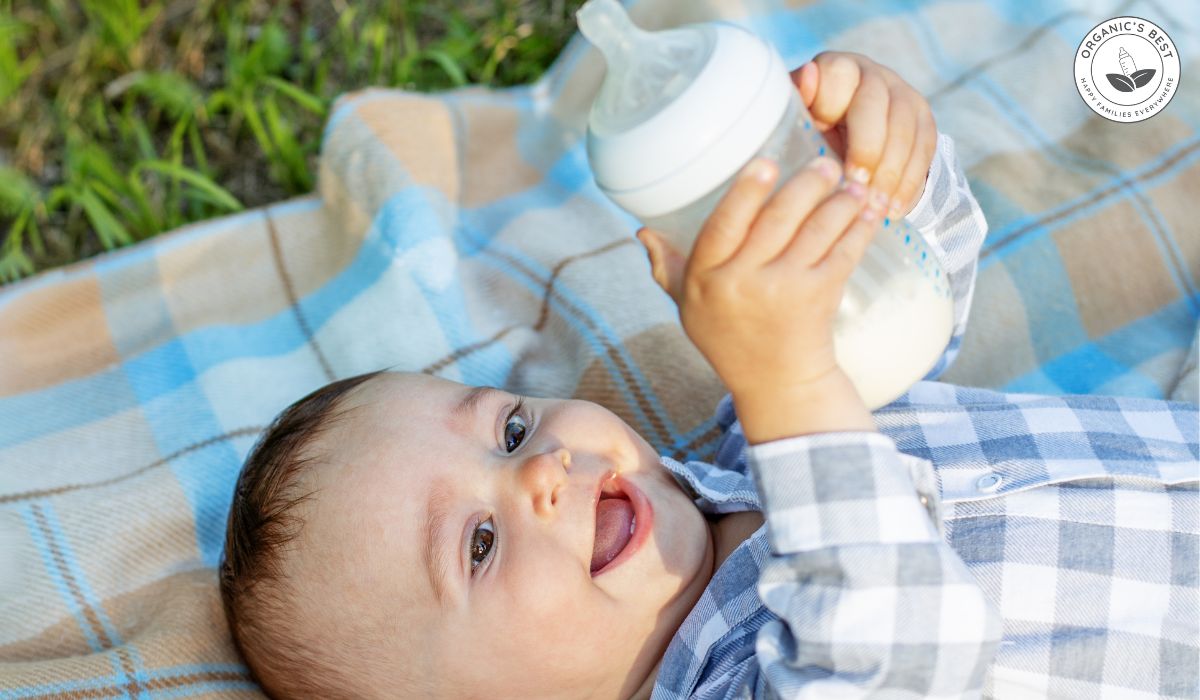

Summer brings plenty of opportunities to get outside with your little one, but it can also raise new questions for formula-feeding families. Can you bring a bottle to the beach? How long can formula stay out in the heat? Does your baby need to feed more often on hot days? And how do you know if formula has gone bad?
While the basics of formula feeding don't change, warmer weather does call for a little extra attention. Fortunately, a few simple habits can help keep feeds safe and stress-free all summer long.
Below, we'll walk through the science behind formula safety in warm weather, along with tips for formula storage, travel, and feeding on hot days.
Table of Contents
- Why Hot Weather Requires Extra Care When Formula Feeding
- What Temperature is Too Hot For Baby Formula?
- How to Keep Formula at a Safe Temperature in Summer
- How Often Should Babies Feed During Hot Weather?
- Travelling Smart With Formula in the Heat
- Ready-to-Feed Formula for Summer Outings
- How to Tell If Powdered Formula is Bad
- Common Hot Weather Formula Feeding Mistakes to Avoid
- Conclusion: How to Store Baby Formula in Hot Weather
- Frequently Asked Questions
Why Hot Weather Requires Extra Care When Formula Feeding

Feeding your little one powdered or liquid formula, or even breast milk, during hot weather requires a bit more planning. Heat can influence both how milk should be stored and how long prepared bottles remain safe, making proper handling especially important during hot weather.
In warmer weather, two main things happen:
-
Bacteria grow faster: Most bacteria that can contaminate formula multiply quickly at temperatures above room temperature.
-
Formula degrades faster: Heat can change the structure of nutrients and increase spoilage risk.
Even if the formula looks and smells fine, it may no longer be safe after sitting out too long in warm conditions.
As for breast milk, since it's not sterile, it's highly susceptible to contamination from outside bacteria and environmental factors if not handled properly. The following practices can ensure your milk remains safe for your baby:
-
Hygiene: Always wash your hands thoroughly before pumping or handling breast milk to prevent the introduction of harmful bacteria.
-
Sterilization: Breast pump equipment, bottles, and storage containers must be regularly sterilized to keep the milk safe.
What Temperature is Too Hot For Baby Formula?
So what actually counts as too hot when it comes to formula, and when does it become unsafe?
First, let's look at prepared infant formula. According to the Centers for Disease Control and Prevention (CDC), time and temperature work together when it comes to formula safety. At cooler room temperatures (below about 20°C / 68°F), prepared formula can safely sit out for up to 2 hours.
Once temperatures rise into warmer summer conditions, around 25°C / 77°F and above, that safe window shortens. In these conditions, the prepared formula should ideally be used within 1 to 1.25 hours, since bacteria can begin to multiply more quickly.
At high temperatures above 30°C / 86°F, the risk increases significantly. Heat creates ideal conditions for rapid bacterial growth, including harmful bacteria such as Cronobacter. At this point, prepared formula should be used immediately, refrigerated, or discarded if it has been sitting out.
Now, when it comes to unopened or unprepared baby formula, storage temperature still matters. Prolonged exposure to heat can degrade certain nutrients and impact the overall quality and safety of the product.
In general, manufacturers and health authorities recommend storing unopened formula in a cool, dry place, ideally below about 25°C (77°F). A pantry or cupboard away from heat sources like stoves, windows, or direct sunlight is usually best.
Here is a chart explaining how warm storage environments can impact formula quality:

How to Keep Formula at a Safe Temperature in Summer
Keeping formula safe in hot weather is mostly about controlling heat exposure and timing feeds carefully. Here are some general guidelines to follow:
-
Prepare formula fresh when possible: Instead of making bottles hours ahead, prepare them closer to feeding time.
-
Use insulated bottle bags: A good insulated cooler bag with ice packs can keep formula cold for several hours during outings.
-
Pre-chill bottles and water: Storing sterilized bottles and boiled water in the fridge helps slow bacterial growth once mixed.
-
Avoid direct sunlight: Even short exposure to sun can warm bottles quickly. Keep them in shaded, cool areas.
-
Don’t leave bottles in strollers or cars: Temperatures inside vehicles rise extremely fast, even on mild days.
-
Follow the 2-hour rule strictly: Once prepared, formula should generally be used within 2 hours if kept at room temperature. In hotter conditions, shorten that window. Once a feed has begun, the bottle must be used within 1 hour.
-
Use ready-to-feed formula: While this type of formula can still spoil in the heat, it is pre-mixed, sterile, and eliminates the need for measuring or boiling water while out and about, unlike powdered formula.
How Often Should Babies Feed During Hot Weather?
Babies don’t necessarily need more formula just because it’s hot, but their feeding habits may change.
Some babies will feed more frequently but in smaller amounts, seek feeds for comfort or hydration or show slightly reduced appetite on hotter days.
Breast milk and formula both provide hydration, so extra water is not recommended for young infants under 6 months.
Instead of increasing volume to keep little ones hydrated, you can offer feeds on demand, keep feeding environments cool, and keep an eye out for dehydration and hunger cues.
Travelling Smart With Formula in the Heat
Travelling with a baby in summer can make formula feeding feel a bit more complicated, mainly because you no longer have the same control over temperature, timing, and cleanliness that you do at home.
For short outings, many parents find it easiest to prepare a bottle right before leaving and use it within a safe window once needed. For longer trips, an insulated cooler bag with ice packs becomes really important, helping keep bottles cold and safe for several hours.
It’s also worth being mindful of where bottles are stored while you’re out. Even brief exposure to heat, like unopened formula left in hot cars, strollers, or under direct sun can increase the formula temperature quickly. Cars, in particular, can heat up fast, so bottles should always be kept with you in a cool, insulated bag rather than left behind or exposed to the sun.
Ready-to-Feed Formula for Summer Outings
There are three types of formula, the first two, powdered formula and liquid concentrate formula, require careful preparation, but there's another type of liquid formula called ready-to-feed (RTF) formula.
As you can imagine, RTF formula can be a lifesaver during summer outings and long travel days. Since it’s already sterile and pre-mixed, there’s no need to worry about water temperature, contamination from mixing, or measuring on the go.
Parents often find it easier to manage during heatwaves because it reduces the number of steps where heat exposure or timing mistakes can happen. That said, once a ready-to-feed bottle is opened, it follows the same safety rules as any prepared formula.
How to Tell If Powdered Formula is Bad
If you’re wondering, can powder formula go bad in heat? The answer is yes. Powdered formula is shelf-stable, but heat and moisture can still affect its quality over time, especially in warm or humid formula storage conditions.
That said, if the container remains unopened and properly sealed, short-term exposure to heat is unlikely to cause significant degradation. Research suggests that powdered infant formula is generally quite stable when stored in its original sealed packaging, even at elevated temperatures, and meaningful quality changes typically require prolonged exposure over a period of weeks rather than days.
However, it's still important to inspect the formula before use, as heat, moisture, or packaging damage can affect quality. If formula has gone bad, it isn’t always obvious, but there are a few signs you can watch for:
-
Clumping or stickiness can indicate moisture exposure
-
Musty or off smell (fresh formula should smell neutral)
-
Damaged or poorly sealed packaging
When in doubt, it’s always safest to discard it.
Common Hot Weather Formula Feeding Mistakes to Avoid
Hot weather adds small risks that are easy to miss in everyday routines. Things that might not be a big deal in cooler months can matter a lot more once temperatures start to rise.
-
Leaving bottles out: Even short exposure to heat, like in a car, near a window, or in a stroller, can warm formula into an unsafe range.
-
Preparing bottles too far in advance: While convenient, pre-mixed bottles have a limited safe window once prepared.
-
Saving unfinished bottles: Once a baby has started feeding, bacteria from their mouth enters the bottle. In hot weather, it can multiply even faster, so leftovers should always be discarded after a short time.
-
Relying on smell or appearance: Formula doesn’t always show obvious signs of spoilage. A bottle can look and smell fine, but still be unsafe.
-
Not adjusting routines during heatwaves: Summer often requires shorter safe time windows, quicker feeds, and more careful storage than usual.
Conclusion: How to Store Baby Formula in Hot Weather
Feeding in hot weather doesn’t require massive changes to your routine. The main thing is keeping formula from sitting out too long and avoiding unnecessary heat exposure. Freshly made bottles are best, but when that’s not possible, a cooler bag, and some shade go a long way. So keep enjoying your summer travels, long walks and park dates!
Frequently Asked Questions
Here are some of the most asked questions about formula feeding in the summer.
Should I Give More Formula in Hot Weather?
Most babies don’t need more formula in summer. Formula already provides hydration, so increases in volume usually aren’t necessary. What often changes instead is feeding frequency, babies may want smaller, more frequent feeds, especially during hot spells.
Can Formula Go Bad in Hot Weather?
Yes. Warm temperatures can speed up bacterial growth in prepared formula, making it unsafe much more quickly than in cooler conditions. Heat can also affect the quality of powdered formula over a prolonged period of time if it’s not stored properly. Even if a bottle or container looks fine, it may no longer be safe after sitting out too long in warm conditions.
How Long Can Prepared Formula Stay Out in the Heat?
As a general guideline, prepared formula should not sit out for more than about two hours at room temperature. When temperatures rise above 30°C (86°F), it’s safer to shorten that window significantly and use it within an hour whenever possible.
Should Formula-fed Babies Drink Extra Water in Summer?
For babies under six months, extra water is not recommended unless specifically advised by a healthcare provider. Formula provides all the necessary hydration, even in warm weather.
Can I take Formula to the Beach?
Yes, but it needs to be handled carefully. A well-insulated cooler bag with ice packs is helpful, or you can prepare feeds fresh at the beach if clean water and supplies are available. Leaving formula exposed to sun or sand heat should be avoided.
How Can I Keep Formula Cold Without a Fridge on Hand?
Insulated cooler bags with ice packs are the most reliable option. Pre-chilled bottles or thermos-style containers can also help maintain safe temperatures for several hours, depending on outdoor heat.
Does Heat Affect the Formula Expiration Date?
Heat doesn’t change the printed expiry date on unopened formula when it’s stored correctly, but exposure to warm conditions can still affect its quality over time. Prolonged or repeated heat exposure can gradually impact nutrient stability and increase the risk of spoilage, especially once the container is opened.
Can Formula Be Left in Hot Car?
No. Cars heat up extremely quickly, even on mild days, and can reach unsafe temperatures in minutes. Prepared formula left in a hot car should be discarded.
More Helpful Guides!
How to Tell if Powdered Formula is Bad
Your Guide to Traveling with Baby Formula Powder
How to Keep Baby Cool in Summer
|
Disclaimer: Please be aware that this information is based on general trends in babies, and it is not medical advice. Your doctor should be your first source of information and advice when considering any changes to your child’s formula and when choosing your child’s formula. Always consult your pediatrician before making any decisions about your child’s diet or if you notice any changes in your child. Breastfeeding is the best nutrition for your baby because breast milk provides your child with all the essential nutrients they need for growth and development. Please consult your pediatrician if your child requires supplemental feeding. |

Leave a comment
Comments will be approved before showing up.
Also in Organic Infant Nutrition and Health Blog