

Ready To Feed Formula: A Complete Guide
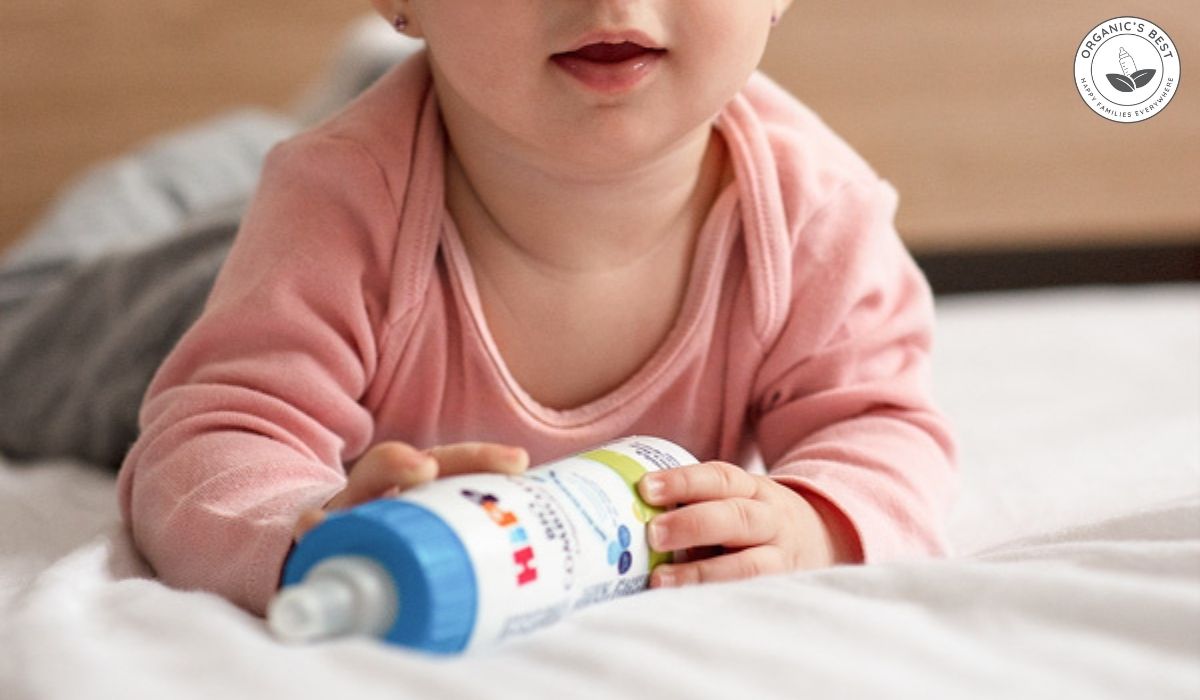

If you’re a new parent, you know how hectic your schedule can be. If you find yourself needing a bit of extra time in your routine, then ready-to-feed formulas (RTF) might be the solution for you! This type of formula shares many qualities with powdered formulas and standard liquid concentrates, but it offers the added benefit of minimal preparation time. Just shake, pour, and you’re ready to feed your baby in minutes.
If this sounds appealing, keep reading to understand how RTF formulas can fit into your feeding routine. We’ll cover everything you need to know, from preparation and storage to the everyday advantages and potential drawbacks!
Table of Contents
- Liquid vs Powder Formula
- European Ready-To-Feed Formula
- Ready To Feed Formula: Pros And Cons
- Can I Switch From My Usual Powdered Formula To A Different Brand Of Ready-To-Feed Formula?
- How To Prepare a Premade Formula For Your Baby?
- How To Store Ready-To-Feed Formula After Opening
- What Nipple Fits on Top of the Bottle?
- Conclusion
Liquid vs Powder Formula
For those of you new to baby formula, there are three main types to choose from: powdered formula, concentrated liquid formula, and ready-to-feed formula. All types of formula have their benefits and disadvantages. Factors that may influence your decision to choose one type over another include your lifestyle, the product's price, and your baby's specific nutritional needs. Let's take a closer look at each type of formula up next.

Powder Formula
Powder formulas are the most cost-effective, making them a go-to for many parents! Powdered infant formula comes in a box or a can, and to prepare it, you’ll need to measure out the appropriate amount of powder using the scoop included and mix it with cooled, boiled water.
The correct ratio of powder to water varies by product and your child's age, so be sure to follow the directions on the feeding table of your baby’s formula. Moreover, it’s essential to always use the scoop that comes with the formula to ensure proper measurements.
This type of formula is also available for babies with dietary restrictions, including hypoallergenic formula and anti-reflux formula. If you value environmentally friendly options, powdered formulas are often the best choice because they offer minimal packaging compared to ready-to-feed bottles.
Concentrated Liquid Formula
Liquid concentrate formula, like powdered formula, must be mixed with cooled boiled water according to the exact ratios specified on a feeding table. However, the preparation process is generally less messy compared to using powder.
Learn more: Differences Explained: Liquid vs Powder Formula
Ready-to-feed Formula
Ready-to-feed formula is widely considered the most convenient option available, which has contributed to its growing popularity among modern parents who often juggle busy work schedules, travel frequently, and share feeding duties. One of its main benefits with RTF is the lack of guesswork involved, so if your spouse, babysitter, or friend is feeding your little one, there’s no learning curve.
Unlike other formula types, ready-to-feed formula requires no added water, no measuring, and no extensive mixing. As for the preparation, it comes premixed and is ready to pour directly into your baby’s sterilized bottle for feeding, or it can be fitted with an appropriately sized nipple on the ready-to-feed bottle itself. It typically comes in single-use bottles, though some brands, such as Holle, also offer larger 1-liter sizes.
Although ready-to-feed formula is sterile and safe to consume cold, most babies prefer it warmed up. Of the three types of formula, this one tends to carry a higher price tag but is by far easier to prepare and travel with.
European Ready-To-Feed Formula
European infant formulas are widely regarded as among the highest-quality and most strictly regulated in the world. It is also common for European formulas to be certified organic, which means they must meet even stricter requirements, such as containing at least 95% certified organic agricultural ingredients, avoiding GMOs, limiting the use of synthetic pesticides and fertilizers, and enforcing tight restrictions on antibiotic use in dairy livestock.
Many parents who choose ready-to-feed formulas are turning to organic options from well-known European baby food companies like HiPP and Holle. Kendamil also offers a high-quality ready-to-feed formula that, while not organic, is GMO-free and made with clean, high-quality ingredients. We’ll compare the options from each brand below.

HiPP RTF Formula
The liquid version of HiPP Bio Combiotic cow’s milk formula is designed to be extra gentle. It features lactose-only carbohydrates and prebiotic galactooligosaccharides (GOS) to support regular digestion. GOS may also help ease colic and contribute to immune health in infants. The DHA in this product comes from fish oil, supporting vision and cognition. All stages are EU and HiPP Organic.
These liquid formulas come in three stages. HiPP RTF PRE and HiPP RTF Stage 1 are infant formulas suitable from birth. They can be given as a sole source of nourishment or alongside breast milk. Next up is HiPP RTF Stage 2, a follow-on formula suitable from 6 months of age, intended to complement solid foods.
There are a few notable compositional differences between HiPP ready-to-feed and powdered formulas. First, there are no probiotics in the liquid versions, as live microorganisms cannot survive the heat treatment process that ready-to-feed formula undergoes. Additionally, these ready-to-feed formulas include milk cream, which allows for a palm oil-free recipe. Finally, the liquid version sources carbohydrates exclusively from lactose, meaning no starch is present in the milk.
HiPP HA RTF Formula
For babies prone to allergies or sensitive to cow’s milk proteins, HiPP offers a hypoallergenic (HA) version of their Bio Combiotic formula. The gentle recipe features extensively hydrolyzed whey proteins and added prebiotics. Together, these ingredients support immunity and may reduce the risk of allergic reactions.
It’s important to mention that HiPP HA may not be suitable for all babies with cow’s milk protein allergies (CMPA) and is not appropriate for those with lactose intolerance. Always consult your pediatrician if your little one has special feeding needs.
HiPP HA ready-to-feed is available in Stage PRE and is suitable for feeding alongside or in place of breast milk from birth. Please note that this product is not organic due to the processing involved.
When comparing this liquid formula to its powdered equivalent, the main difference is that the ready-to-feed version lacks probiotics, as these beneficial bacteria cannot survive the heat treatment used in producing liquid formulas.
Holle RTF Formula
Holle Cow is available in ready-to-feed bottles with a clean EU organic recipe that includes milk fats for a closer match to breast milk. Lactose is used as the primary carbohydrate for a gentle energy supply. The milk is enhanced with plant-based DHA to support healthy brain and eye development. Additionally, the palm-free vegetable oil blend promotes softer stools and improved calcium absorption.
This liquid formula line comes in Holle RTF Stage PRE/1 and Holle RTF Stage 3. The Stage PRE/1 infant formula comes in a single-use 200 mL bottle and is suitable for sole or supplementary feeding from birth. It contains only lactose-based carbohydrates and includes cream powder to provide milk fat.
Stage 3 serves as a follow-on formula from 10-12 months and as a toddler formula from 12-36 months. It’s available in two sizes: smaller 250 mL bottles for single feeds and larger 1L bottles to be kept in the fridge and poured into cups as needed. This stage adds maltodextrin to support increased energy needs and contains whole milk powder for a healthy source of natural fats.
Notably, some ingredients are unique to the liquid version of Holle Cow. Only the ready-to-feed bottles include milk fats, allowing for a palm oil-free formulation. Additionally, Stage PRE/1 uniquely includes taurine and prebiotic GOS, which are not available in the powdered version.
You may also want to check out: Holle Ready to Feed Formula Explained
Kendamil RTF Formula
Kendamil offers a RTF version of their Classic formula line for Kendamil RTF Stage 1 and Kendamil RTF Stage 2. Both stages feature whole cow’s milk, lactose-only carbohydrates, plant-based DHA, double the prebiotics from GOS and FOS, and all of the nourishing vitamins and minerals your little one needs. While these products are not organic, they are GMO-free and meet many of the same quality standards as the aforementioned formulas.
Their Stage 1 infant formula is suitable from birth and can complement or replace breastfeeding as needed. Stage 2 follow-on milk is suitable from 6+ months to support a balanced weaning diet.
The powder and liquid versions of Kendamil Classic have virtually identical compositions, enabling parents to seamlessly alternate between both types of formula in their feeding routines.
You may also want to check out: Ready to Feed Formula Comparison: HiPP vs Holle vs Kendamil RTF
Ready To Feed Formula: Pros And Cons
While we've already covered some of the basics, there are a few more points to consider when deciding whether ready-to-feed formula is right for you. Let's start by asking yourself the following questions:
Does My Baby Have Any Dietary Restrictions?
Once you have a clear understanding of your baby's dietary needs, you can look into ready-to-feed formula options that accommodate them. Typically, ready-to-feed formulas are made with a base of either skimmed or whole cow’s milk, which most babies tolerate very well.
However, for little ones with cow’s milk sensitivities, HiPP Hypoallergenic RTF formula may be a better option. If you have any concerns about your baby’s diet, it’s best to consult your pediatrician for personalized feeding guidance.
Remember, it may take some trial and error to figure out which formula works best for your baby. If the first formula doesn't work out , take a deep breath, consult your pediatrician, and try again.
What Is My Budget?
Looking at your budget can help you narrow down your formula choices. In general, powdered formula can save you some money, but it will cost you more time.
On the other hand, concentrated liquid formula tends to be slightly more expensive compared to powder, but it is still an affordable option for many.
Lastly, ready-to-feed formula typically has a higher price point but has unmatched time-saving advantages and convenience.
What Kind of Formula Will Accommodate Our Family's Lifestyle?
Ready-to-feed formula is an excellent choice for families who are often on the go or travel frequently. It requires less preparation, which makes packing for trips or heading to appointments and gatherings much easier. Since these bottles come premixed, you won't have to worry about finding safe water to prepare the formula. Additionally, the single-use bottles help reduce cleaning time!
Learn more: Guide to Traveling with Baby Formula Powder
If you are more of a homebody and enjoy nesting with your little one, especially during the first year of life, and you’re not overly concerned about saving time, then powdered formula might be a better fit for you since it is more cost-effective. However, it can still be beneficial to keep some ready-to-feed bottles on hand for those late-night feedings in the initial weeks after birth when you’re short on sleep.
Here is an overview of the pros and cons of ready-to-feed formulas:

Pros ✓
-
Less preparation required
-
Great for traveling
-
Easy to use for other caregivers (Less room for error)
-
Comes already sterile (Good for babies with weakened immune systems)
Cons X
-
Higher price point
-
Typically offered in single-use bottles, which are less environmentally friendly
-
More packaging, which can be harder to find storage space for
Keep in mind that the demand for ready-to-feed formula has been especially high, sometimes outpacing supply. So, if you’d like to make the switch to RTF, planning ahead and ordering bulk in advance can offer peace of mind!
Can I Switch From My Usual Powdered Formula To A Different Brand Of Ready-To-Feed Formula?
Not every brand offers ready-to-feed infant formulas, and if you want to make the switch, you may be wondering what to do to ensure that your baby is safe and healthy during the process.
Switching to a new brand of a similar type of infant formula is generally acceptable. For instance, you can switch from a powdered cow’s milk formula to a ready-to-feed cow’s milk formula, as their ingredients are likely to be quite similar.
However, it's important to monitor your baby closely during this transition to ensure they are adjusting well. It's best to make the switch gradually over a few days, allowing your baby's digestive system time to adapt.
Learn more: How to Switch Baby Formula?
The transition period should be spread out even longer if you are switching to a different kind of formula, for example, from a goat’s milk formula to a cow’s milk formula. Always consult your pediatrician prior to making any changes to your baby's diet.
How To Prepare a Premade Formula For Your Baby?
Ready-to-feed formulas are made for your convenience, so they require fewer steps than powder formulas or liquid concentrates. Here are three easy steps for preparing ready-to-feed formula, along with some general guidelines for preparing a bottle for your little one.
Step 1: Check the Best Before Date and Read Instructions
Before you serve your little one, make sure to check the best-before date. Additionally, if this is your first time using a new brand or type of baby formula, it is best to read over the directions on your ready-to-feed bottle.
Learn more: How to Tell if Powdered Formula is Bad
Step 2: Add the Nipple to the Bottle
If your ready-to-feed (RTF) formula comes in a single-use bottle, your baby can drink directly from it. Simply attach a clean nipple that fits the bottle, and you’re all set. Alternatively, you can pour the formula into a sterilized baby bottle.
If you believe your baby won't finish the entire bottle at once, it's best to divide the formula into smaller servings using another bottle. Any unused formula from bottles that your baby has not drunk from should be stored in the refrigerator and used within 24 hours.
Step 3: Shake and Serve and Warm as Desired
For the final step, just shake the bottle to ensure it has an even consistency for your baby. While warming the bottle is not necessary, most babies do prefer warm milk, especially if the formula has been stored in the refrigerator.
A safe way to heat up the bottle is with a bottle warmer, under the faucet, or in a pot of water on the stove. You should never put a bottle in the microwave to warm , as it can heat unevenly and create dangerous hot spots. Remember to always test the milk's temperature before feeding your little one.
Learn more: Can Formula be Reheated? What You Must Know...
How To Store Ready-To-Feed Formula After Opening
Properly storing opened formula is essential to protect your baby from potential harm or tummy upset. Follow these guidelines:
-
If your baby begins drinking from their bottle but does not finish it within 2 hours of opening, any leftover formula should be discarded. This is important because bacteria can transfer from your baby's mouth to the bottle, which may contaminate the formula.
-
Opened bottles of formula that your baby has not drunk from can be stored in the refrigerator and consumed within 24 hours.
-
Baby formula that has been heated can not be put in the refrigerator and must be discarded.
You can learn more in our guide: How Long is Formula Good For?
What Nipple Fits on Top of the Bottle?
If you are using a single-use formula bottle, you may be wondering which nipples are compatible with it. Most ready-to-feed products are compatible with classic bottle-feeding nipples. Some parents choose to use disposable nipples, especially while traveling and on the go, for easier clean up and convenience, but this is not necessary, as classic nipples can be washed and reused.
Learn more: Best Bottles for Breastfed Babies
Conclusion
Your lifestyle, budget, and your baby's nutritional needs will impact which formula you choose. Ready-to-feed formula can save you time and make feeding your baby easier while you juggle all your new parental responsibilities.
No matter how you choose to feed your baby, what matters most is that they are provided enough nourishment to grow and thrive, and for many parents, ready-to-feed formulas make the feeding process a whole lot easier!
|
Disclaimer: Please be aware that this information is based on general trends in babies, and it is not medical advice. Your doctor should be your first source of information and advice when considering any changes to your child’s formula and when choosing your child’s formula. Always consult your pediatrician before making any decisions about your child’s diet or if you notice any changes in your child. Breastfeeding is the best nutrition for your baby because breast milk provides your child with all the essential nutrients they need for growth and development. Please consult your pediatrician if your child requires supplemental feeding. |

Leave a comment
Comments will be approved before showing up.
Also in Organic Infant Nutrition and Health Blog





Reviewed by Dr. Po-Chang Hsu, MD, MS
-

Dr. Po-Chang Hsu: Medical Reviewer of Organic's Best Blog
Dr. Hsu received his medical degree from Tufts University in Boston, Massachusetts, and holds a Master’s of Science degree from both Harvard University and Tufts University.
